
VIP member
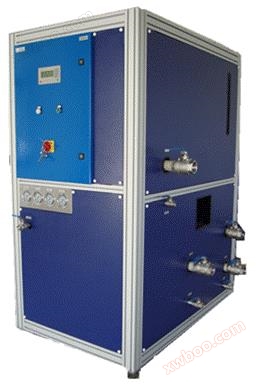
Engine thermal shock test system
Introduction to Engine Thermal Shock Test System: When conducting a thermal shock test on an engine, the temperature of the coolant is controlled by a
Product details
Introduction to Engine Thermal Shock Test System
When conducting a thermal shock test on the engine, the temperature of the coolant is controlled by a closed external circulation system. The temperature sensor in the system first samples the temperature of the engine coolant and feeds it back to the temperature controller. The temperature controller compares the sampled temperature with the set temperature, and then changes the ratio flow of cold and hot water through a proportional control valve to control the temperature of the engine coolant, so that it quickly approaches and reaches the set temperature within the specified time. The system consists of an efficient plate cooler, heating water tank, expansion water tank, pneumatic three-way proportional valve, auxiliary circulating water pump, temperature controller, temperature sensor, etc. The expansion tank can maintain a certain level of engine coolant in the system. The system is equipped with a pressure reducing valve, which is released when the system pressure exceeds 0.05MPa to ensure the normal operation of the engine.
Users can use the RS232/485 serial interface of the computer to set and control the coolant temperature and operating time at each working point through the dynamometer control cabinet.

Online inquiry
-
Contacts
-
Company
-
Telephone
-
Email
-
WeChat
-
Verification Code
-
Message Content
-